



Mastering Modern Rock Splitting Methods
- Quentin Hunter

- Jun 29
- 4 min read
Splitting rock is an essential skill in many construction, landscaping, and design projects. Whether you are working on a home renovation or a commercial development, understanding how to break stone efficiently and cleanly can save time, reduce costs, and improve the final appearance of your project. Over the years, rock splitting has evolved from purely manual labor to a blend of traditional and modern techniques. In this post, I will guide you through the most effective modern rock splitting methods, sharing practical tips and insights to help you master this craft.
Exploring Modern Rock Splitting Methods
Modern rock splitting methods combine precision, safety, and efficiency. Unlike older techniques that relied heavily on brute force, today’s approaches use advanced tools and technology to control the fracture process. This results in cleaner splits, less waste, and faster project completion.
Some of the most popular modern methods include:
Hydraulic Splitters: These tools use hydraulic pressure to apply force evenly along a rock’s natural fracture lines. They are ideal for large stones and can be operated with minimal physical effort.
Expansive Mortar: This chemical method involves drilling holes into the rock and filling them with a non-explosive expanding agent. Over several hours, the mortar expands and cracks the stone without vibration or noise.
Diamond Wire Sawing: This technique uses a wire embedded with diamond beads to saw through rock. It’s precise and produces smooth edges, perfect for custom stone shapes.
Plug and Feather: A traditional method still widely used, it involves inserting metal wedges (plugs) and shims (feathers) into drilled holes and hammering them to split the rock. Modern versions use power tools for drilling and more durable materials for wedges.
Each method has its place depending on the rock type, project scale, and desired finish. Understanding these options allows you to choose the best approach for your specific needs.

Hydraulic splitters apply controlled pressure to break large stones cleanly.
What is the Best Way to Split a Rock?
Choosing the best way to split a rock depends on several factors: the type of stone, the rock's size, the environment, and the required precision. For example, granite and basalt are very hard and dense, requiring powerful tools like hydraulic splitters or diamond wire saws. Softer stones like limestone or sandstone can often be split with plug and feather or expansive mortar.
Here’s a step-by-step approach to determine the best method:
Assess the Rock Type and Size: Harder, larger rocks need more force and precision.
Consider the Project Environment: Urban areas may restrict noise and vibration, favoring non-explosive methods.
Evaluate the Desired Finish: If you need smooth, clean edges, diamond wire sawing is ideal.
Check Equipment Availability and Budget: Some methods require specialized tools or chemicals.
Plan for Safety and Waste Management: Ensure the method minimizes hazards and material loss.
For most homeowners and commercial developers, a combination of plug and feather for smaller projects and hydraulic splitters or expansive mortar for larger jobs offers the best balance of cost and effectiveness.
Practical Tips for Effective Rock Splitting
Mastering rock splitting requires more than just choosing the right method. Here are some practical tips to improve your results:
Drill Accurate Holes: The placement and depth of holes determine how the rock will split. Use a hammer drill with a masonry bit sized to your wedges.
Follow Natural Fracture Lines: Look for existing cracks or grain directions in the stone. Splitting along these lines reduces effort and improves the finish.
Use Proper Safety Gear: Always wear eye protection, gloves, and hearing protection. Rock splitting can produce flying debris and loud noise.
Apply Even Pressure: When using wedges, tap them gradually and evenly to avoid uneven breaks.
Work in Sections: For large rocks, split them into manageable pieces rather than trying to break them all at once.
Maintain Your Tools: Sharp drill bits and well-maintained wedges improve efficiency and safety.
By following these tips, you can avoid common pitfalls like uneven breaks, excessive dust, and tool damage.
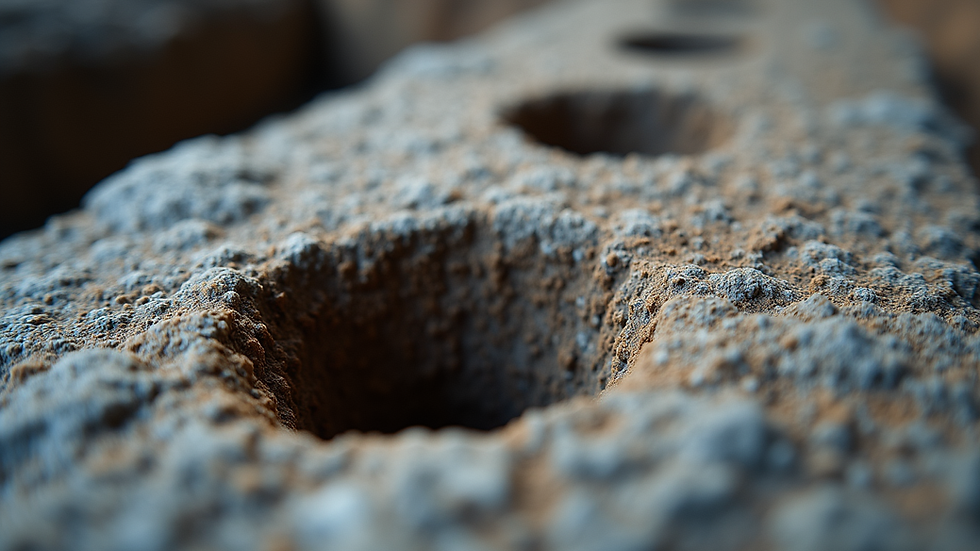
Drilled holes aligned along natural fracture lines prepare the rock for clean splitting.
Integrating Modern Techniques into Your Projects
Incorporating modern rock splitting methods into your projects can elevate the quality and durability of your work. For example, architects and interior designers often specify natural stone features that require precise cutting and splitting to fit custom designs. Commercial developers benefit from faster site preparation and reduced labor costs by using hydraulic splitters or expansive mortar.
Here’s how to integrate these methods effectively:
Consult with Stone Suppliers: Work with suppliers who understand modern splitting techniques and can recommend the best stone types and sizes.
Plan Ahead: Schedule splitting early in the project timeline to avoid delays.
Train Your Team: Ensure everyone involved understands the tools and safety protocols.
Use Technology: Employ laser guides or digital measuring tools to mark split lines accurately.
Recycle Waste: Use leftover stone pieces for landscaping or smaller projects to minimize waste.
By embracing these modern methods, you can create unique, enduring stone features that stand the test of time.
Why Mastering Rock Splitting Matters
Mastering rock splitting techniques is more than a technical skill - it’s a way to unlock the full potential of natural stone. Proper splitting enhances the stone’s natural beauty, ensures structural integrity, and reduces project costs. Whether you are crafting a custom countertop, building a retaining wall, or designing a commercial facade, knowing how to split rock effectively makes all the difference.
Investing time and effort into learning these methods pays off with:
Improved Project Efficiency: Faster splitting means quicker progress.
Higher Quality Results: Clean splits reduce the need for additional finishing.
Greater Safety: Controlled methods minimize accidents.
Cost Savings: Less waste and labor translate to lower expenses.
If you want your stone projects to look professional and last for decades, mastering modern rock splitting methods is essential.
By understanding and applying these modern rock splitting methods, you can confidently tackle any stone project. Whether you are working with natural stone for a home or commercial development, these techniques will help you achieve clean, precise results every time. Remember, the right tools, careful planning, and attention to detail are your keys to success. Happy splitting!


Comments